
Tahoe 200
Race Recap: The First 100 Miles


First, I want to thank Michelle, JD, and Colbert for all their sacrifices in helping me reach the finish line. During the race, they supported me and were a positive voice as I struggled through the low moments. Without them, I would have struggled and quite possibly never finished. Below, I will break the race into sections with my thoughts, focusing mostly on the struggles I had to overcome.
This will be too long to read in your email, so you’ll have to read it online or in the Substack app instead.
Starting Loop
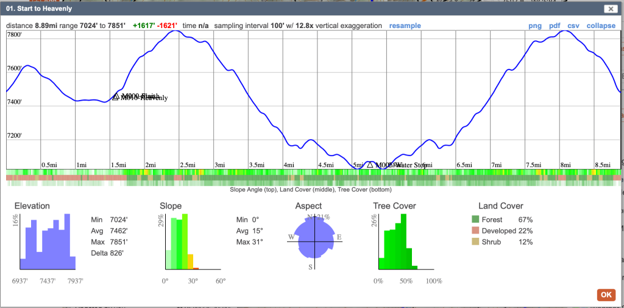
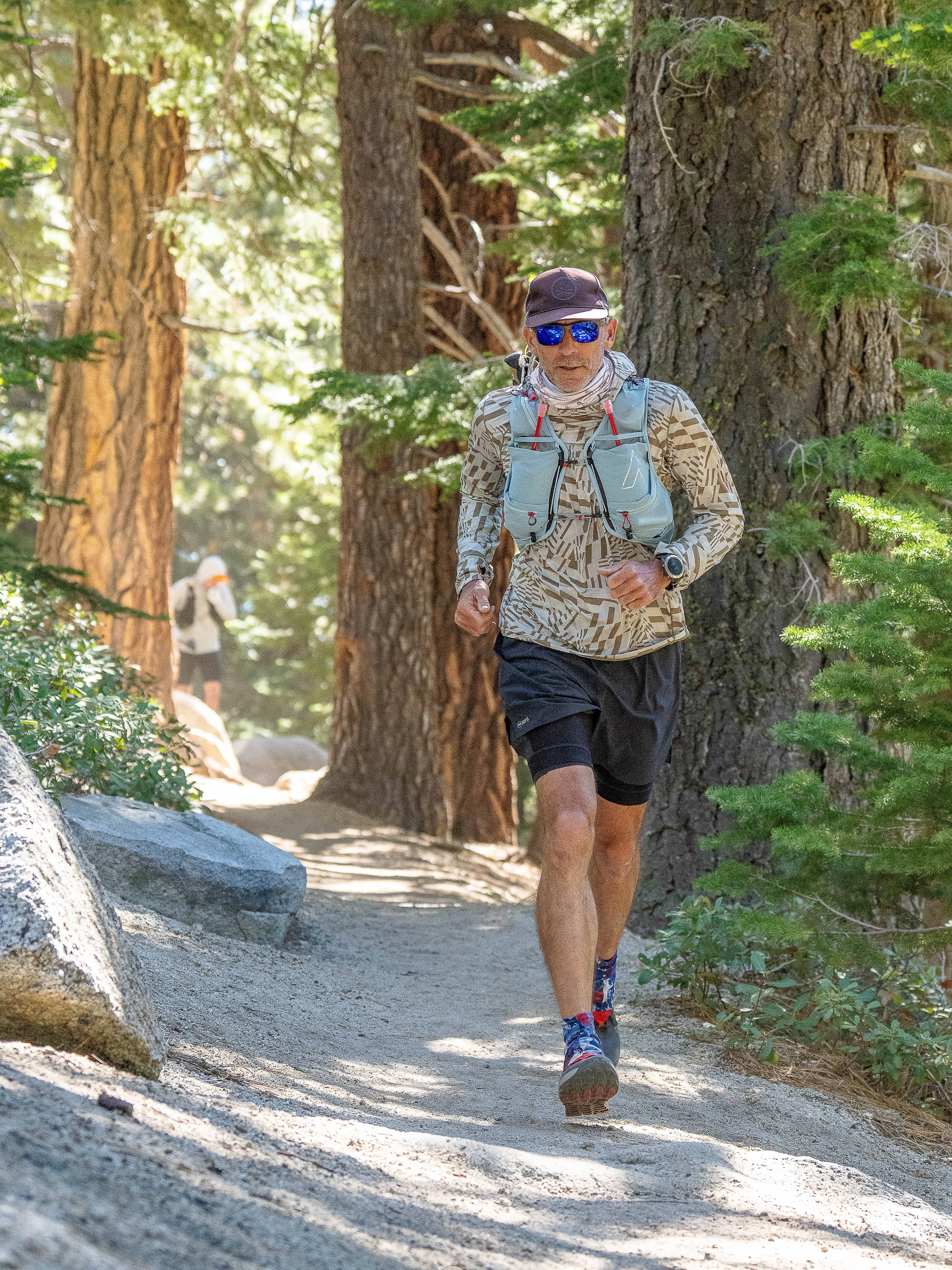
The race starts with a 1.25-mile loop, followed by a 7-mile out-and-back. My first mistake happened right at the start, though I probably would have made it anyway, given what I know now. I started fast on the first 9 miles, staying with the top 10 the entire way. My body felt good so far, but I should have held back. Since my last month of training, I have had to adjust and do less due to a hamstring issue. It will not pop up until the next section, but it eventually does.
Heavenly to Armstrong Pass
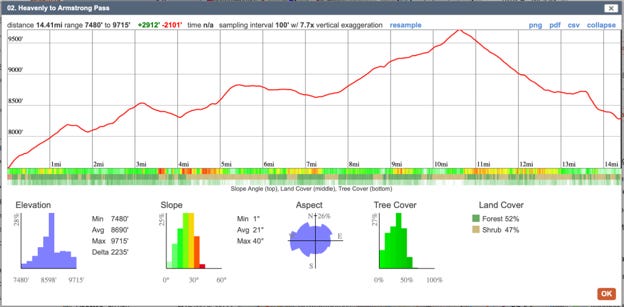
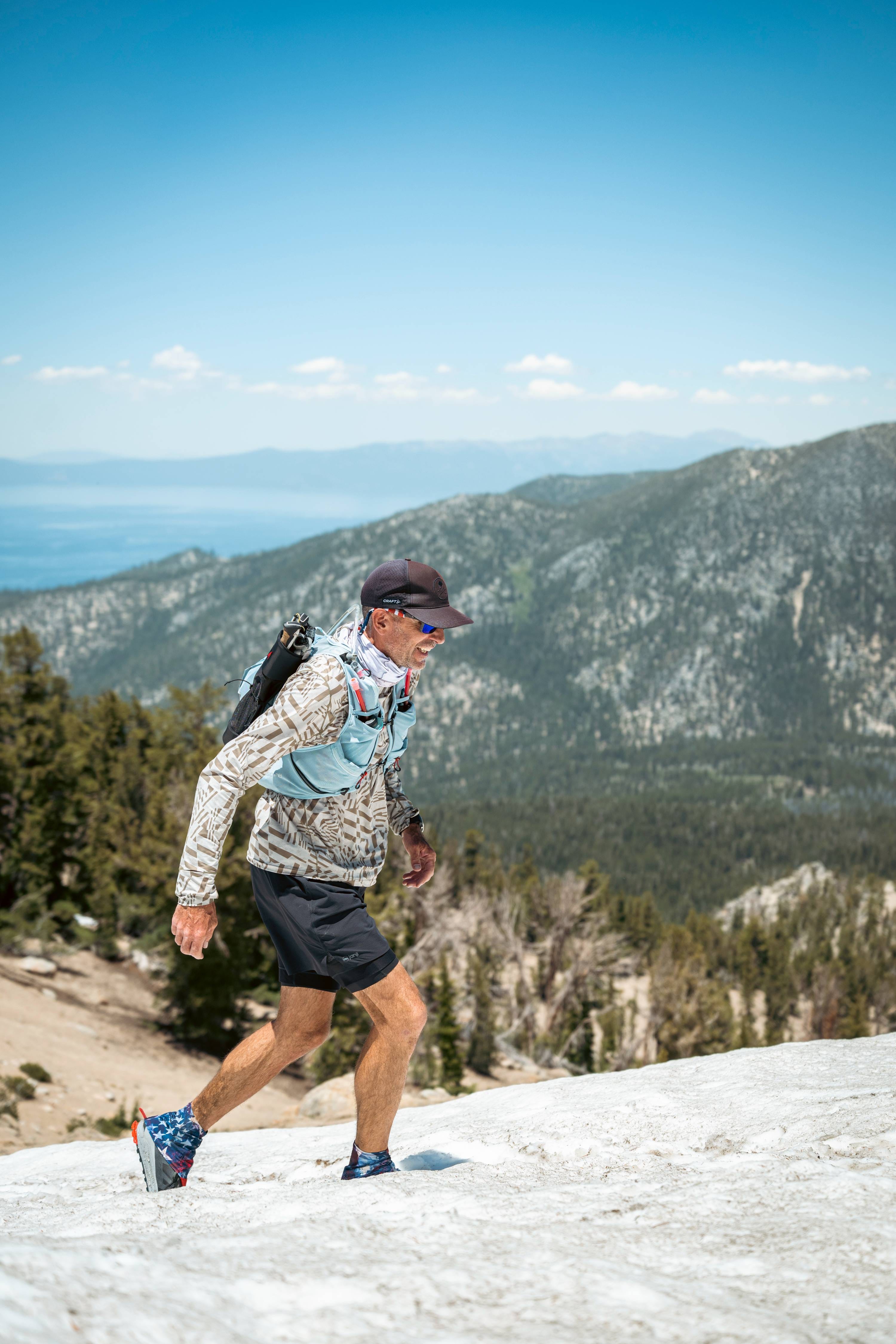
This section features the races’ first obstacle: snow. I pushed hard at the start, a step-ladder climb of about 1,500 feet up to Star Lake. This is when I first noticed my hamstring pain returning and persisting throughout the entire race. When I reached Star Lake, I ran into Mike McKnight, who was filtering water. We talked for a brief minute about his leg situation after the Cocodona 250 while we enjoyed some cold Alpine lake water. Soon after Star Lake, the snow hits. It is only a couple of miles of patchy snow on a good downhill slant, with very loose footing in the mushy 2-3-foot snow. As I reached the bottom of Freels Peak and the final snow field, it would be a 5-mile downhill to the Armstrong aid station. I kept a decent pace through this section, but I did notice a slowdown as a few other runners passed me. Toward the end, I noticed my quads were giving me problems. It might be because they were trying to compensate for my right hamstring, I’m guessing.
Armstrong Pass to Housewife Hill
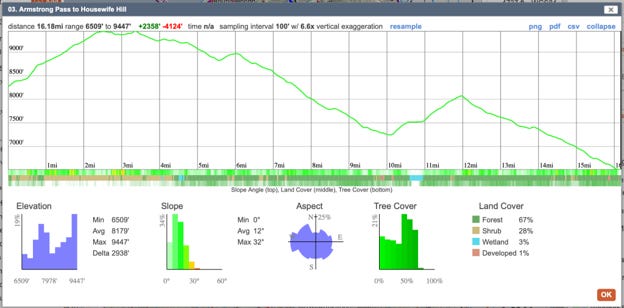
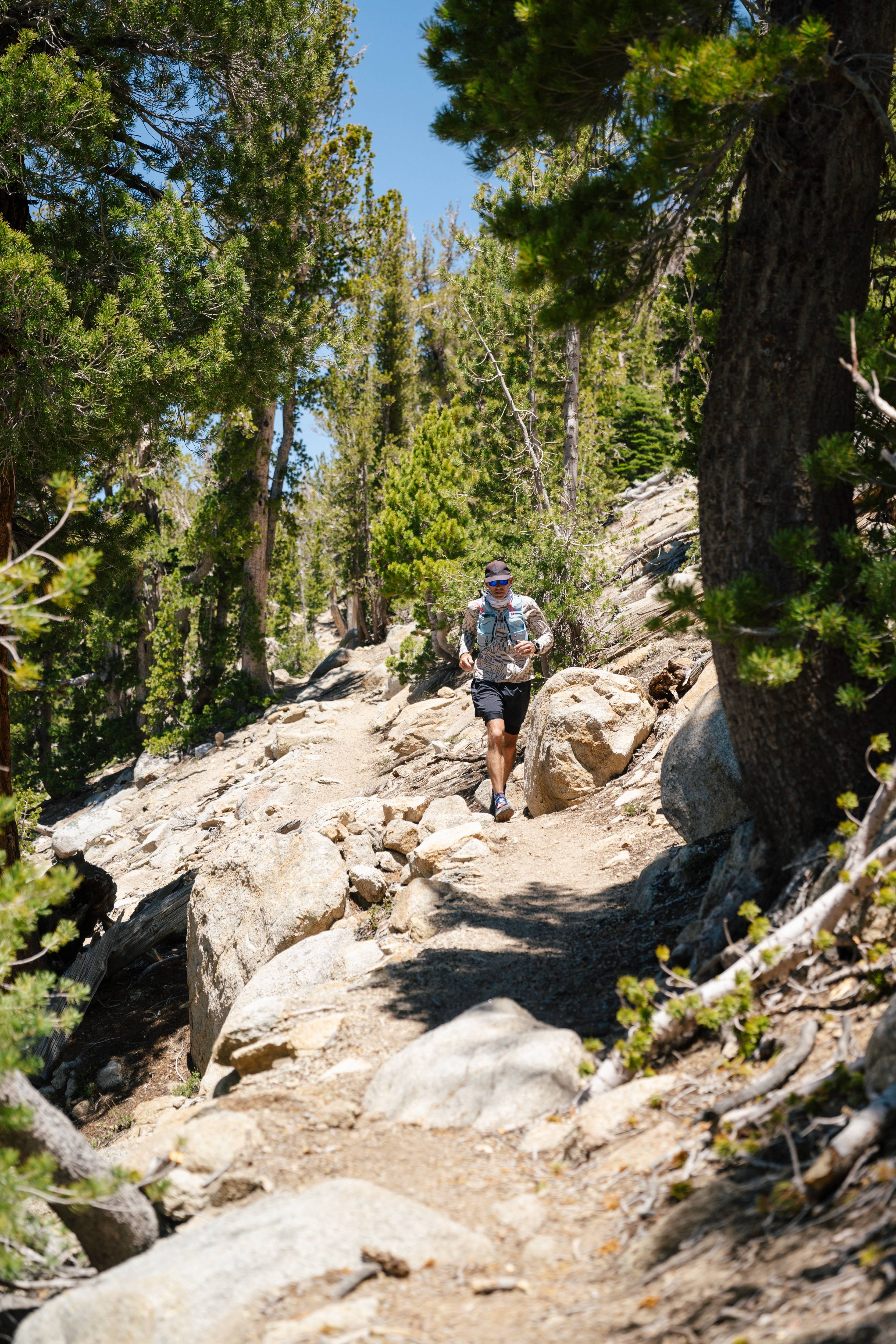
Now comes the longest downhill of the entire race. I did change my socks at Armstrong because of the snow earlier, and I had a feeling that the snow reported last week would have already melted by now, as we advance. The climb out of Armstrong seems like forever, and near the top, another runner passed me, whom I would follow all the way to Sierra at Tahoe. The downhill was very flowy and fun, but it was adding considerably to my quad pain. I stopped at Big Meadow to filter some more cool mountain water, since the last few hours had been in the heat of the day. You have to remember I have 1.5 liters on my back and two 500 ml bottles on the front, all at room temperature. Plus, the two bottles are carb-loaded, which only seems to make you thirstier. My only fall came about 2 miles before the aid station because, up to this point, the trails were very smooth, but 4 miles before Housewife, they started to change to the much rockier sections ahead.
Housewife Hill to Sierra at Tahoe
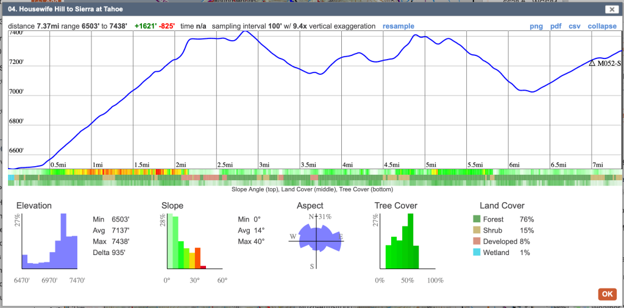
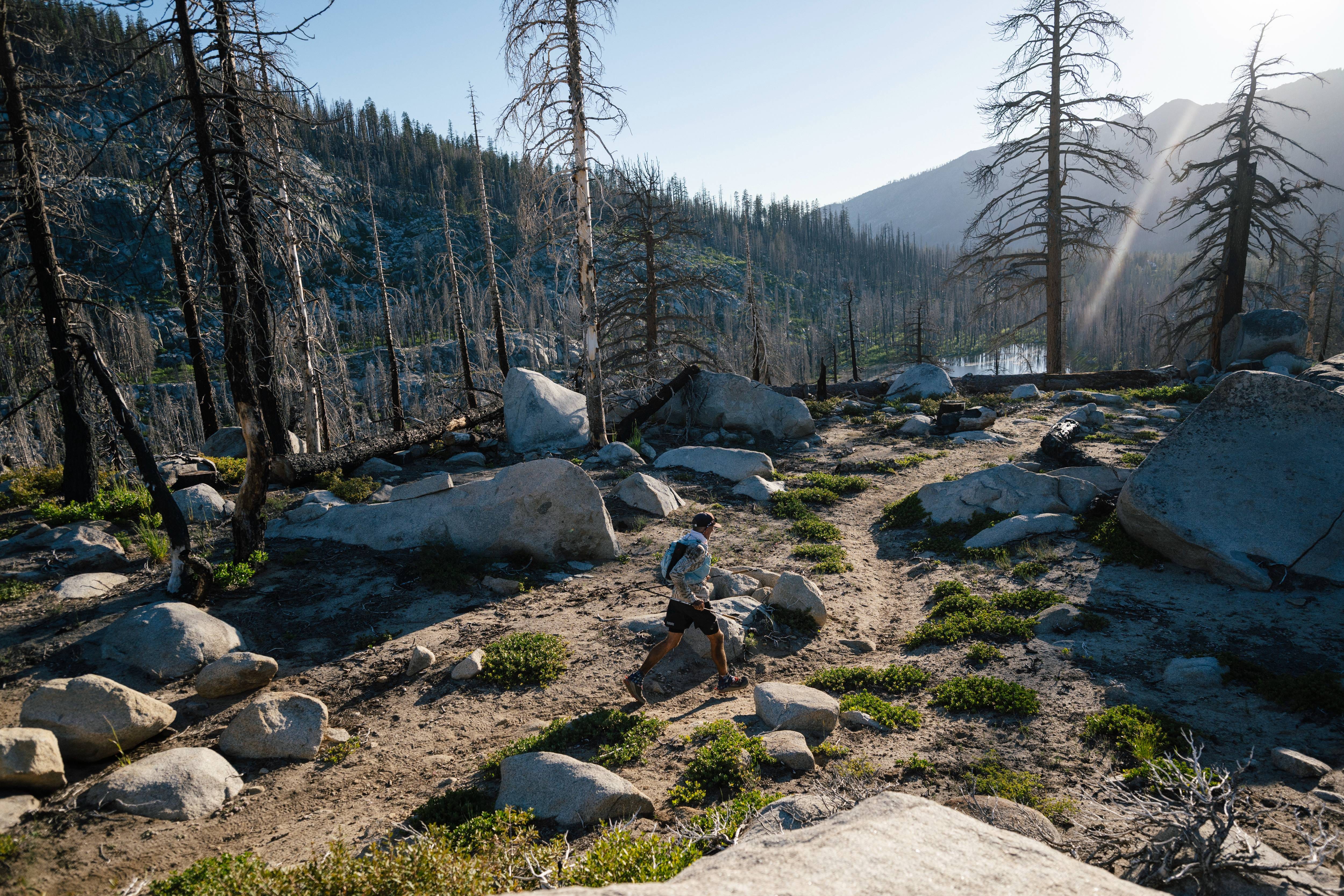
I took a second longer at the housewife aid station to try to regroup as the quad pain was starting to worsen. Plus, I have only peed once before the start of the race, which is not ideal 8 hours in. So my thoughts are a little on the worrying side, being just 43 miles into the race. But I continue with this section, which is one of the shortest, with only 9 miles to the Sierra at the Tahoe ski resort. The climb out is really the only hard part, with about 1,000 feet of elevation gain in a 2-mile death march up to Echo Summit. There is a good-sized waterfall to negotiate through, but I did manage to stay dry. As I approached Sierra at Tahoe, the sunset was setting on the first part of the Caldor burn scar that I would have to run through. I must say, it made a fellow runner and me stop in our tracks to watch it hit the trees, which looked like matchsticks sticking out of the ground on fire. As I came into Sierra at Tahoe, I got a little boost as I saw one of my friends, Joel Colbert, there to help me out at this aid station.
Sierra at Tahoe to Wrights Lake
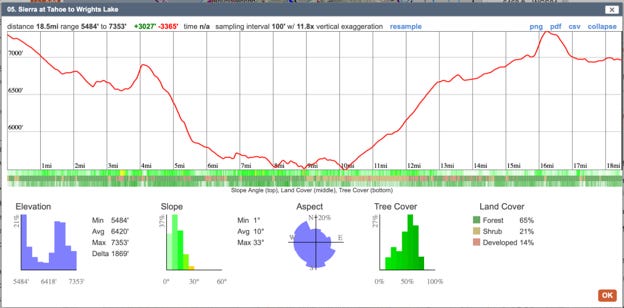
This is the beginning of sections that involve bushwhacking, tree-hopping, and parts of the trail that haven’t been used in years since the Caldor fire. Also in this section is the first instance of trail sabotage, when someone takes down the course markings. Thankfully, I have to go slowly through this section, as my legs are not with me anymore. Being in the dark and having to move forward with only my waste light on an ill-defined trail is very time-consuming. My phone’s map is pretty much the only way I navigate the first 9 miles towards Wrights Lake Road on this section. I lose the trail so many times going forward that it ups my frustration level, because now I also start cutting up my legs, since I have to do so much bushwacking to get back on the trail. During this 18-mile stretch, I have to rely more on my poles to ease the pain in my legs a little, so running becomes minimal; just marching forward seems to be most of my effort. After exiting Wrights Lake Road, I encounter the next obstacle: blowdowns. The trail no longer existed, so I tried to use my watch’s navigation to help me through, but it froze up immediately and quit working. I saw a couple of headlamps coming my way and decided to wait for my fellow runners to team up and negotiate this section, since we are really relying on stacked rocks as course markers at this point, but they are hard to locate in the dark now that it is close to 100 am. When I finally make it to Wright’s aid station, my first low point hits me hard because I know that, going forward, it doesn’t get easier.
Wrights Lake to Loon Lake
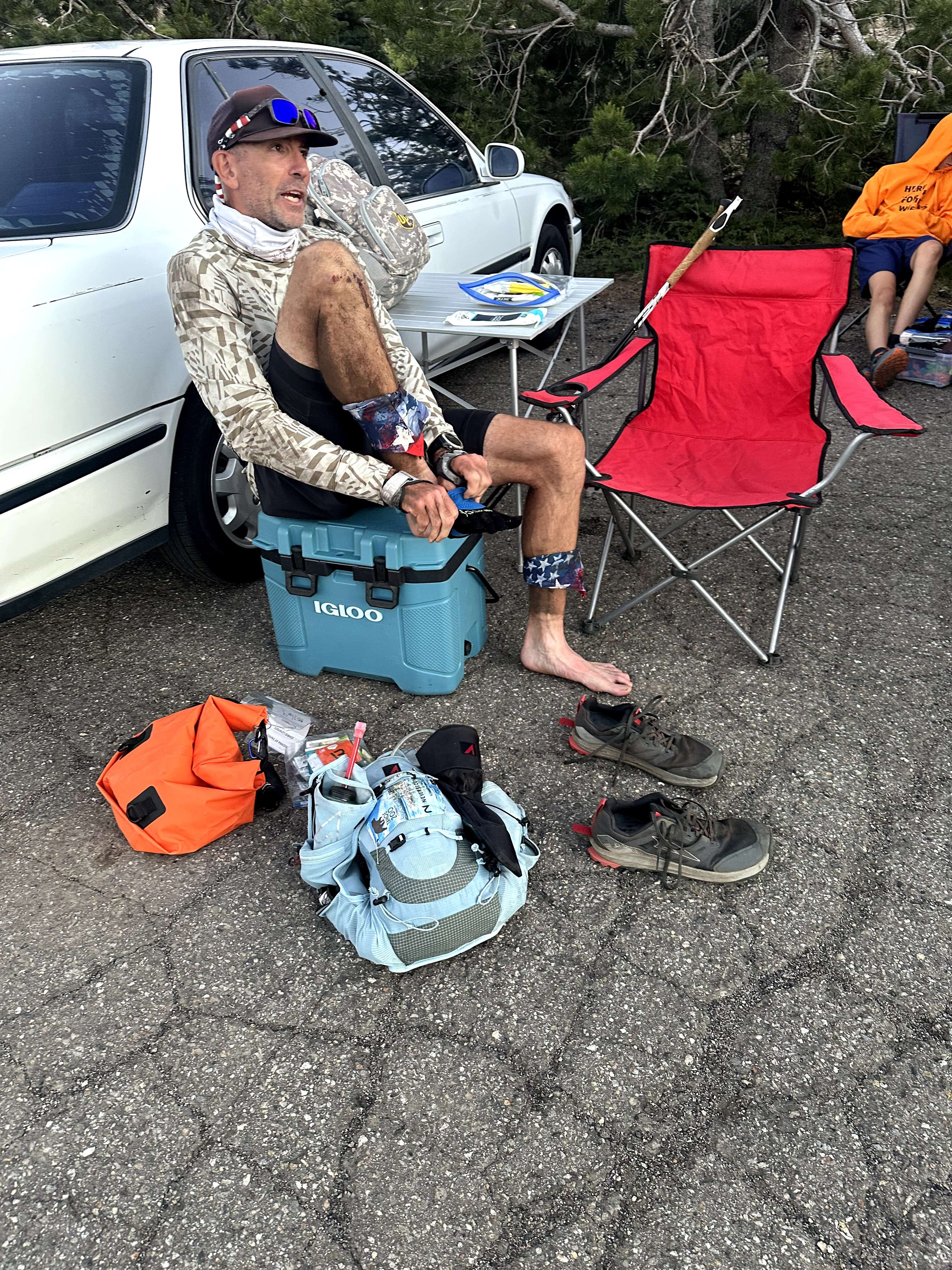
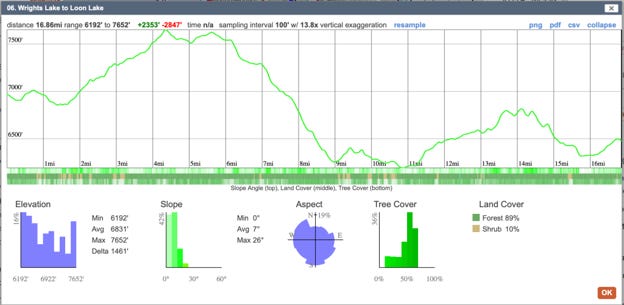
After a quick shoe change at Wright’s aid station, the route started with just an uphill, bouldery jeep road, a brief reprieve from what was to come. It was nice to have a defined path for a while, but it was short-lived. Back into the bushwhacking, log hopping, and the many water crossings as I marched forward. Even to run this section, I had to stop every 100 yards to get around an obstacle. One good thing was that the sun was starting to rise through this section, so the trail was much easier to stay on, but now the mosquitoes were starting to show up. I was closing in on the 24-hour mark as I inched toward the Loon Lake aid station. As I entered the aid station, my whole crew was there (Michelle, JD, and Joel), and I was at the lowest point of the race, with such a rough night on the trail. My legs were pretty battered, and I was holding back tears when I met them. This must have been the hardest part, even for them, for someone they know, a durable person, to look so broken. All around the aid station, there were many runners looking like me, and after the race, I learned that as my crew was leaving, an ambulance was coming towards Loon Lake. Plus, there were so many DNF’s at Loon Lake that didn’t help with the situation.
Loon Lake to Barker Pass
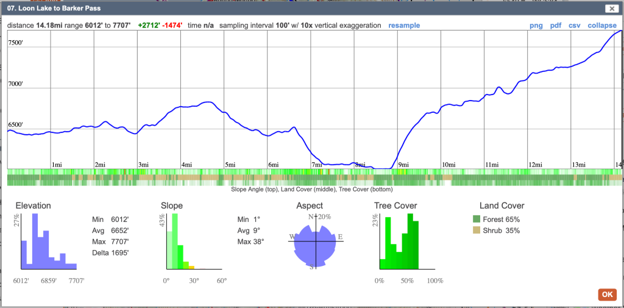
Leaving Loon Lake aid station, I kept a power-hike pace all the way to Barker Pass aid station. I grabbed my leg spray from the car to relieve the pain. I had been looking forward to it to help a little with my quads. It wasn’t much relief, but it was something. I knew what was coming, as the route for the race follows the Rubicon Jeep Trail almost all the way to Barker Pass. It’s a slippery, boulder-hopping, rocky, hot section, full of crawlers wheeling on the trail for many of the 15 miles to Barker Pass. Hitting the 24-hour mark without sleep, with my body starting to break down, it felt like a death march for these 15 miles, and it’s not my favorite part of the race because it’s also very exposed, with few trees. There are a few water crossings in this section as well, but luckily, they are near the Barker Pass aid station, where I have some dry shoes waiting. I spend a little time at Barker to regroup, since I know the next section of the race is mostly downhill to Lake Tahoe, and my legs will be getting abused all the way down.
103 miles with +16,600 -16,357 of elevation so far.
To be continued…